01
Data Platform Assessment
Evaluate current databases, processing workflows, reporting systems, technical dependencies, and operational constraints to identify modernization opportunities and implementation priorities.
Data & Analytics / Data Modernization
Transform fragmented data environments into connected, reliable, and scalable platforms. Build a stronger foundation for business intelligence, analytics, operational reporting, and future innovation.

Connect. Govern. Understand.
Our Data Modernization Perspective
A modern data environment helps organizations connect information, improve its reliability, and make it more useful across the business.
As businesses grow, information becomes distributed across applications, databases, cloud environments, and operational systems. Different teams may maintain their own data sources, reporting logic, and definitions, making it difficult to establish consistent business insights.
Data modernization addresses these challenges by improving how information is collected, stored, processed, governed, and made accessible. Modern platforms can support more flexible storage, dependable processing, and better integration between systems.
Cloudlem approaches data modernization with business objectives at the center. We evaluate existing systems, determine practical modernization opportunities, and help plan a data environment capable of supporting reporting, analytics, and future digital initiatives.
Modern Data Architecture
Business information is often distributed across legacy databases, cloud services, enterprise applications, and departmental systems. When these environments develop independently, organizations can struggle with inconsistent reporting, duplicated information, and limited visibility into their operations.
Data modernization starts by understanding the existing data landscape. This includes reviewing platforms, data structures, integration dependencies, reporting requirements, and the challenges that prevent teams from accessing reliable information.
Cloudlem helps organizations plan a modern data architecture that aligns storage, processing, integration, security, and analytics requirements. The objective is to establish an adaptable foundation that supports changing workloads without introducing unnecessary complexity.
Key Focus Areas
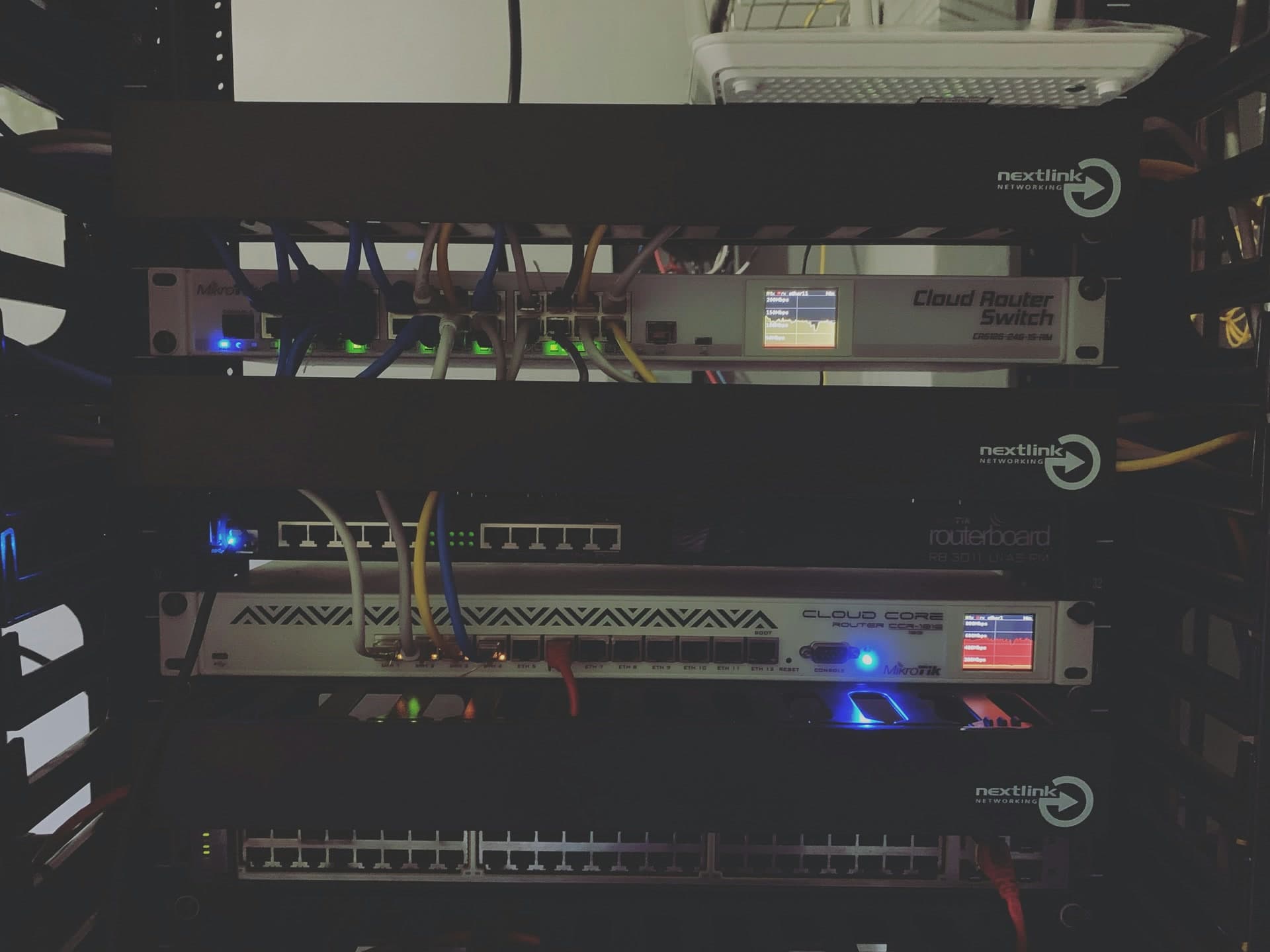
Data Integration & Migration
Organizations generate information through business applications, customer interactions, operational systems, and external data sources. Turning this information into a dependable business asset requires consistent methods for collecting, moving, processing, and organizing it.
Modern integration approaches can connect on-premises systems, cloud applications, APIs, and databases through scheduled pipelines, event-driven processing, or other suitable ingestion methods. The appropriate design depends on source-system capabilities, data volumes, refresh requirements, and operational constraints.
Cloudlem supports data integration and migration planning with attention to data mapping, transformation logic, validation, and continuity. We focus on making information more accessible while preserving its meaning, reliability, and appropriate access controls.
Key Focus Areas

Analytics-Ready Data
Collecting information is only the beginning. To support useful reporting and analytics, organizations also need understandable data models, consistent definitions, reliable transformation rules, and confidence in the information they consume.
Modern data platforms can organize raw information into validated and curated datasets suited to dashboards, operational reporting, historical analysis, and advanced analytical applications. Data catalogs, metadata, governance policies, and automated quality checks help teams understand how information should be interpreted and used.
Cloudlem approaches analytics readiness by connecting data engineering decisions with actual business questions. This means designing data structures and processing workflows that support meaningful reporting today while providing a foundation for future analytics, machine learning, and AI initiatives.
Key Focus Areas

A Connected Data Foundation
A well-designed data environment helps organizations reduce fragmentation, improve trust in reporting, and prepare information for operational decisions and advanced analysis.
Our Data Modernization Offerings
From existing-platform assessments to migration, data engineering, governance, and analytics enablement, these capabilities help organizations plan a more reliable data environment.
Evaluate current databases, processing workflows, reporting systems, technical dependencies, and operational constraints to identify modernization opportunities and implementation priorities.
Plan data environments suited to business requirements, including warehouses, data lakes, lakehouses, integration services, and appropriate processing technologies.
Develop migration approaches for selected datasets and workloads, taking into account compatibility, data integrity, security, validation, and operational continuity.
Design ways to ingest information from databases, business applications, APIs, cloud services, and other relevant sources through dependable integration workflows.
Apply data mapping, cleaning, validation, and business transformation rules to convert source information into consistent datasets for downstream applications.
Assess centralized storage and analytical modeling approaches that support historical reporting, query performance, access requirements, and cost-conscious data retention.
Establish practical controls for data definitions, quality checks, ownership, lineage, access permissions, and responsible information management.
Prepare reliable datasets and reporting structures that help business users work with dashboards, operational metrics, and self-service analytical tools.
Plan monitoring, pipeline error handling, observability, performance reviews, and ongoing operational processes for dependable data-platform management.
Architecture & Data Management
There is no single architecture that fits every organization. These data-management concepts can be considered according to business priorities, source systems, and intended analytical workloads.
Define measurable standards for completeness, accuracy, consistency, and timeliness. Use validation checks to identify data issues before they affect reporting.
Clarify data ownership, usage policies, access responsibilities, and the controls required to manage important organizational information.
Consider architectures that combine flexible large-scale storage with structured processing and analytical capabilities when they fit the workload.
Document data definitions, system relationships, transformation history, and the movement of information between sources and downstream consumers.
Evaluate integration patterns that help users discover or access information across distributed systems without requiring every dataset to be copied.
Explore data-mesh principles where appropriate, including domain accountability, shared standards, and the publication of reusable data products.
Modern Data Platform Strategy
A modern data platform connects multiple sources with dependable processing, governed storage, and useful information products. Security and quality should be considered throughout this flow.
Business systems, databases, applications, APIs, and external information
Collect, connect, and transfer relevant information into the data environment
Validate, transform, standardize, and apply business definitions
Organize dependable datasets for access, reuse, and historical analysis
Dashboards, business reporting, applications, and advanced analytics
Our Approach
Data modernization is a combination of technical architecture, reliable engineering, organizational requirements, and careful implementation planning. A phased approach can help manage migration dependencies and reduce unnecessary operational disruption.
The objective is not only to move information into new technology, but to make it dependable, accessible, and useful.
Review the existing data environment, source systems, architecture, integrations, reporting needs, data quality concerns, and major operational dependencies.
Define a target approach that considers workload requirements, data movement, storage, processing, governance, security, and implementation priorities.
Plan and implement selected ingestion, migration, and transformation workflows with appropriate data validation and compatibility checks.
Establish suitable data models, processing rules, quality checks, documentation, and reporting-ready datasets for intended business users.
Review platform performance, pipeline reliability, data quality, usage patterns, and opportunities for ongoing refinement as business requirements evolve.
Who We Help
Data Modernization is relevant to organizations looking to improve information reliability, replace outdated processing systems, or prepare data for modern analytical workloads.
Organizations managing information across disconnected databases and business applications.
Businesses preparing to move selected data workloads to modern cloud platforms.
Teams replacing difficult-to-maintain reporting systems or legacy data warehouses.
Organizations preparing reliable information foundations for BI, analytics, and AI.
Work With Cloudlem
Tell us about your existing data systems, integration requirements, reporting challenges, and modernization goals. We can discuss a practical approach for your organization.