01
Cloud Infrastructure Monitoring
Improve visibility into cloud resources through appropriate metrics, logs, service health checks, alerting, and operational dashboards.
Cloud / Managed Services
Simplify cloud operations with structured monitoring, application support, infrastructure management, security practices, and continuous optimization. Help your teams focus on business priorities while maintaining operational visibility.

Monitor. Maintain. Improve.
Our Managed Services Perspective
Managed cloud services help organizations maintain a structured approach to operating applications, infrastructure, and supporting cloud technologies.
After cloud workloads are deployed, they require continuous attention to availability, system health, configuration, security, performance, and changing application requirements. These responsibilities can become increasingly complex as environments grow.
A managed services approach helps establish clear processes for monitoring, maintenance, incident response, controlled changes, and operational reviews. It can complement internal technical teams by defining which responsibilities are handled internally and which are included in an agreed service arrangement.
Cloudlem focuses on combining cloud engineering practices with practical service management. We consider reliability, security, automation, infrastructure visibility, and cost management to help organizations maintain an understandable and manageable cloud environment.
Cloud Application Support
Applications play an essential role in everyday business operations. Customer portals, e-commerce platforms, internal applications, APIs, and cloud-hosted services must remain dependable as users, technology dependencies, and operational requirements change.
Managing these applications involves more than responding when something fails. Regular maintenance, software updates, configuration reviews, testing, performance analysis, and reliable release practices all contribute to keeping applications operational and maintainable.
Cloudlem approaches application support by understanding the application architecture, operational dependencies, business priorities, and existing support processes. Our focus is on identifying recurring issues, improving visibility, and establishing structured maintenance and change-management practices.
Key Focus Areas

CloudOps & Automation
Cloud environments include virtual machines, networking services, databases, containers, storage, managed services, and numerous configuration settings. As infrastructure grows, managing these resources consistently becomes more challenging without appropriate operational processes.
CloudOps combines monitoring, infrastructure management, automation, incident handling, and ongoing optimization. Repeatable workflows can help teams provision resources consistently, review infrastructure changes, manage configuration drift, and respond more effectively to operational events.
Cloudlem considers infrastructure automation, observability, deployment workflows, resource utilization, and financial visibility as connected parts of cloud operations. The objective is to reduce unnecessary manual work while maintaining appropriate review, control, and accountability.
Key Focus Areas

Cloud Security Operations
Cloud security requires ongoing attention as applications change, infrastructure is deployed, users gain access, and new vulnerabilities are discovered. Security configurations that were appropriate during an initial deployment may need to be revisited as the environment evolves.
Security operations help organizations monitor important events, review configurations, manage access, respond to potential threats, and maintain reliable records of changes. Depending on the environment, these activities may involve centralized logging, security alerts, vulnerability management, and incident-response procedures.
Cloudlem approaches cloud security operations through risk-based assessment, clear responsibilities, appropriate technical controls, and documented response processes. We emphasize practical security improvements aligned with the organization's infrastructure, available tools, and operational requirements.
Key Focus Areas
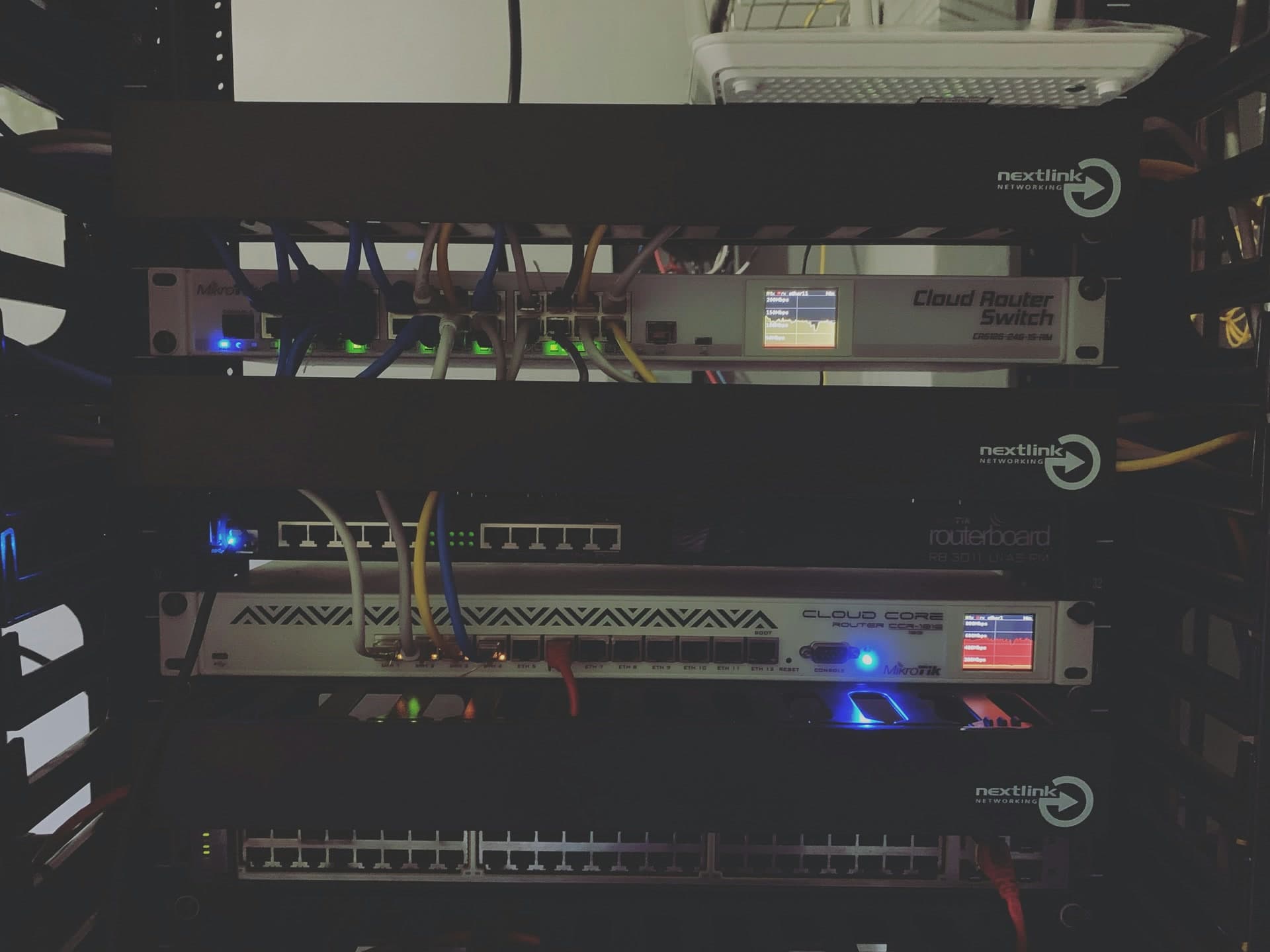

Managed Cloud Operations
Structured cloud management helps teams understand service health, coordinate maintenance, improve security practices, and respond more effectively to changing operational needs.
Our Managed Cloud Offerings
From cloud infrastructure monitoring and application maintenance to security operations, automation, and cost optimization, these capabilities support ongoing cloud management.
Improve visibility into cloud resources through appropriate metrics, logs, service health checks, alerting, and operational dashboards.
Plan maintenance activities, software updates, application monitoring, issue investigation, and controlled changes for supported cloud applications.
Establish processes for issue reporting, triage, escalation, investigation, communication, and documented resolution according to agreed support responsibilities.
Improve provisioning, configuration, testing, and deployment workflows using suitable infrastructure automation and security-aware engineering practices.
Evaluate security configurations, access controls, vulnerability findings, audit information, and monitoring requirements to support ongoing risk management.
Review spending patterns, resource utilization, budget visibility, tagging, and sizing opportunities to support more informed cloud cost decisions.
Assess backup coverage, retention, recovery objectives, restoration procedures, and disaster recovery readiness for important workloads.
Evaluate data pipeline reliability, database health, operational alerts, backup processes, and maintenance requirements for supported data services.
Monitor and maintain supported application interfaces, service integrations, authentication flows, and relevant error-handling processes.
Managed Service Areas
Managed cloud support can be organized around applications, security, and infrastructure operations. The specific responsibilities and coverage are defined by each service engagement.
Manage the applications your business depends on
Structured support for cloud-hosted software, application changes, quality assurance, and integrations.
Areas of Support
Maintain visibility into security risks
Operational security practices that support configuration review, threat visibility, and coordinated incident handling.
Areas of Support
Operate and improve cloud infrastructure
Cloud engineering and operational practices focused on monitoring, automation, reliability, and cost management.
Areas of Support
Operational Management Principles
Dependable service management requires visibility, documented responsibilities, controlled changes, and regular review. These practices help teams coordinate ongoing cloud operations.
Use monitoring, alerts, dashboards, and service records to understand the health and behavior of managed environments.
Apply appropriate review, testing, approval, deployment, and rollback procedures when modifying important systems.
Document support boundaries, escalation paths, service ownership, and the responsibilities shared between teams.
Review incidents, recurring issues, capacity, security findings, and resource usage to identify practical improvements.
Managed Operations Lifecycle
Managed cloud operations benefit from a structured cycle that connects monitoring, prioritization, response, maintenance, and learning.
Collect relevant health information, events, metrics, and logs.
Review service conditions, alerts, risks, and operational priorities.
Investigate issues and follow agreed escalation and response procedures.
Carry out approved changes, updates, and routine operational activities.
Review outcomes and identify automation, security, and efficiency improvements.
Our Managed Services Approach
Introducing managed services begins with understanding the existing environment, current responsibilities, and operational expectations. A structured transition helps establish visibility, ownership, and suitable service procedures.
Service scope, support hours, response targets, security responsibilities, and any service-level commitments should be agreed and documented before delivery.
Review existing cloud accounts, applications, infrastructure, integrations, monitoring tools, operational processes, and current responsibilities.
Define the intended service coverage, support boundaries, escalation procedures, access requirements, maintenance activities, and measurable operating expectations.
Establish or review appropriate monitoring, alerts, dashboards, documentation, asset inventories, and configuration records before transitioning operational responsibilities.
Validate access, operating procedures, alert routing, backup expectations, incident workflows, and other agreed readiness requirements.
Perform agreed monitoring, support, maintenance, issue investigation, and change-management activities within documented service responsibilities.
Review service trends, incidents, resource usage, costs, and improvement opportunities through an agreed operational review process.
Who We Help
Managed Services can support organizations seeking clearer operational processes, stronger cloud visibility, and more consistent management of applications and infrastructure.
Organizations running business-critical applications across cloud infrastructure and managed services.
Businesses looking to improve monitoring, maintenance, and operational support processes.
Teams managing cloud costs, security configurations, deployment automation, and recurring infrastructure tasks.
Organizations seeking a clearer operating model for cloud applications, databases, and infrastructure.
Work With Cloudlem
Tell us about your cloud infrastructure, applications, support challenges, monitoring needs, and operational goals. We can discuss an appropriate managed services approach for your environment.