01
Infrastructure Advisory
Assess existing infrastructure, capacity, technology dependencies, operational risks, and business requirements to establish practical modernization and investment priorities.
Digital Infrastructure Services
Build and manage the technology foundation behind your business. Connect servers, networks, storage, cloud platforms, and workplace systems through reliable, secure, and maintainable infrastructure practices.

Connect. Protect. Evolve.
Our Infrastructure Perspective
Effective digital infrastructure connects the technology that people, applications, and business operations depend on.
Enterprise infrastructure includes computing systems, storage, networking, cloud services, operating systems, workplace devices, and identity platforms. Together, these technologies provide the foundation for digital business activities.
As organizations evolve, their infrastructure must support changing applications, distributed teams, new security requirements, and additional operational complexity. Aging systems, disconnected environments, and inconsistent management practices can make these changes harder to deliver.
Cloudlem approaches digital infrastructure through technical assessment, structured architecture, appropriate implementation, operational monitoring, and continuous improvement. Our focus is on building a dependable environment that fits the organization's actual business needs.
Infrastructure Architecture & Transformation
Modern organizations depend on a combination of computing infrastructure, storage systems, applications, networks, and cloud platforms. Each component contributes to the ability of employees and customers to access digital services, exchange information, and complete essential business activities.
Infrastructure transformation begins by understanding the existing environment and identifying where improvements are required. This may involve reviewing physical servers, virtualization platforms, operating systems, storage, application dependencies, and the operational challenges associated with aging or disconnected systems.
Cloudlem approaches infrastructure design with attention to business requirements, technical compatibility, scalability, security, and maintainability. Whether an organization operates an on-premises data center, a hybrid environment, or multiple cloud platforms, the objective is to develop an infrastructure foundation that can adapt to future needs.
Key Focus Areas

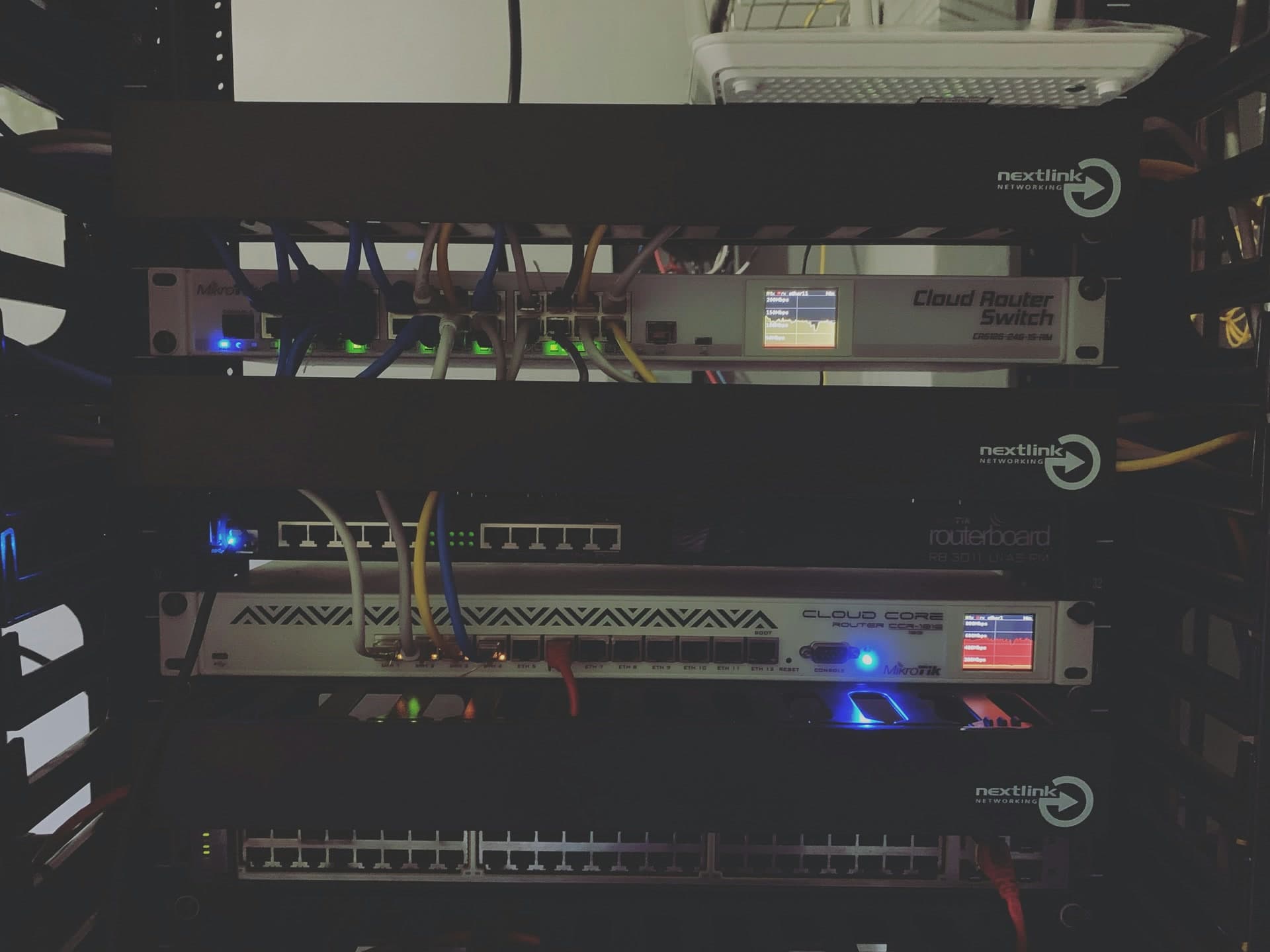
Enterprise Network Services
Enterprise networks provide the connectivity that allows applications, employees, devices, and business locations to work together. As organizations adopt cloud services, remote working models, and distributed systems, network architecture becomes increasingly important to operational performance.
Network design should consider how information moves between data centers, cloud environments, office locations, and external services. Routing, segmentation, bandwidth, wireless coverage, secure connectivity, and network monitoring all influence how effectively these systems communicate.
Cloudlem evaluates network requirements alongside the applications and infrastructure they support. Our approach focuses on practical architecture, clear security boundaries, appropriate monitoring, and structured changes that help organizations understand and manage their connectivity.
Key Focus Areas
Edge IT & Workplace Infrastructure
Business productivity depends on the devices, operating systems, applications, identities, and collaboration tools used by employees. Even when central infrastructure is performing well, problems at the endpoint or workplace level can interrupt access to important services.
Edge IT support considers desktop and laptop environments, operating-system configuration, supported business applications, identity services, directory integration, security tooling, and device connectivity. Standardized configuration and documented troubleshooting processes can make these environments easier to maintain.
Cloudlem approaches workplace infrastructure by evaluating the requirements of users, devices, existing systems, and organizational security policies. The goal is to support practical IT operations while maintaining appropriate access controls, compatibility, and clear procedures for maintenance and issue resolution.
Key Focus Areas


Connected Enterprise Infrastructure
Infrastructure should support business change rather than hold it back. Thoughtful architecture, secure connectivity, operational visibility, and maintainable systems help organizations build a more adaptable digital environment.
Our Infrastructure Offerings
From servers and storage to virtualization, networking, monitoring, and workplace IT, these capabilities address the systems that support day-to-day business operations.
Assess existing infrastructure, capacity, technology dependencies, operational risks, and business requirements to establish practical modernization and investment priorities.
Plan and evaluate physical servers, virtual machines, operating systems, compute resources, and workload placement across supported environments.
Review storage architecture, capacity, data protection, retention policies, backup coverage, and recovery requirements for important business systems.
Evaluate virtualization technologies and container platforms that support appropriate workload isolation, deployment, resource management, and operational flexibility.
Plan network architecture, routing, segmentation, secure connectivity, monitoring, and infrastructure changes based on business and application needs.
Evaluate how on-premises infrastructure and cloud services can connect through suitable network, identity, security, and operating models.
Improve operational visibility through infrastructure metrics, logs, availability checks, alerting, dashboards, and documented response procedures.
Review identity services, directory integration, access permissions, authentication requirements, and appropriate account-management practices.
Support structured IT operations through troubleshooting procedures, service requests, operational documentation, maintenance planning, and escalation processes.
Infrastructure Environments
An effective infrastructure strategy should reflect where applications operate, how people access them, and which technical and business requirements must be supported.
Physical and virtual environments
Organizations maintaining local infrastructure require a clear approach to hardware lifecycle, operating systems, virtualization, storage, networking, and recovery planning.
Key Infrastructure Areas
Connecting data centers and cloud
Hybrid environments combine locally hosted workloads with cloud-based services. Successful designs account for secure connectivity, application dependencies, and shared operational responsibilities.
Key Infrastructure Areas
Coordinating multiple cloud platforms
Using more than one cloud platform creates additional requirements for network design, governance, resource visibility, security, and consistent operational processes.
Key Infrastructure Areas
Enterprise Network Services
Enterprise networks require thoughtful planning, secure connectivity, monitoring, and practical management. We consider network requirements alongside the applications, services, and users that depend on them.
Plan connectivity between servers, storage, business locations, applications, and edge systems with attention to capacity and network architecture.
Evaluate policy-driven network controls and software-defined architectures when they provide practical operational and management benefits.
Review network topology, routing, segmentation, cloud connections, dependencies, and modernization opportunities.
Establish monitoring for relevant network devices, interfaces, connectivity, latency, availability, and operational events.
Assess wireless coverage, device access, network configuration, and secure connectivity for workplace and mobile users.
Plan appropriate security boundaries, traffic controls, authenticated access, and visibility into network configuration changes.
Edge IT & Workplace Technology
Workplace infrastructure includes devices, operating systems, collaboration tools, user accounts, and network access. Clear technical support practices help maintain productivity and security.
Review endpoint configuration, hardware compatibility, drivers, device connectivity, and troubleshooting procedures.
Support operating-system configuration, maintenance planning, updates, and compatibility reviews for approved devices and servers.
Assess endpoint security tools, configuration practices, updates, and procedures for investigating device-related security concerns.
Evaluate directory services, account provisioning, user permissions, authentication, and identity integration requirements.
Review deployment, configuration, access, and support requirements for business communication and collaboration tools.
Establish processes for approved software installation, compatibility, configuration, updates, and technical issue investigation.
Infrastructure Operations Lifecycle
Dependable infrastructure needs ongoing visibility, routine maintenance, security review, recovery planning, and continuous operational improvement.
Monitor infrastructure health, connectivity, capacity, and relevant operational events.
Review access, configuration, security controls, and important operational risks.
Apply approved updates, maintenance activities, and controlled infrastructure changes.
Prepare restoration procedures, recovery objectives, and incident-response processes.
Review resource usage, recurring issues, technical debt, and modernization opportunities.
Our Infrastructure Approach
Infrastructure improvement requires careful consideration of existing applications, system dependencies, network connectivity, user requirements, operational risks, and long-term support.
Infrastructure changes should follow approved maintenance procedures, appropriate backups, technical validation, and documented recovery or rollback plans.
Understand the existing servers, networks, storage, applications, identities, cloud environments, and technical dependencies that support business operations.
Evaluate workload needs, system capacity, security requirements, connectivity, availability expectations, operational risks, and existing technical limitations.
Define an appropriate target architecture, implementation phases, required technologies, resource considerations, and operational responsibilities.
Carry out approved infrastructure configuration or improvement activities using suitable change controls, documentation, and validation procedures.
Validate connectivity, system functionality, access, monitoring, backup expectations, and operational readiness before completing the handover.
Review infrastructure performance, capacity, security findings, support issues, and opportunities to simplify or strengthen the environment.
Who We Help
Digital Infrastructure Services can support organizations managing complex technology environments, planning modernization, or improving infrastructure visibility and reliability.
Organizations managing on-premises servers, storage, virtualization, and business-critical infrastructure.
Businesses connecting existing data centers with cloud platforms or transitioning to hybrid environments.
Teams improving enterprise networking, wireless connectivity, monitoring, and infrastructure security.
Organizations seeking clearer IT operations, endpoint management, identity processes, and recovery planning.
Work With Cloudlem
Tell us about your servers, networking, storage, cloud environments, operational challenges, or infrastructure modernization plans. We can discuss a practical approach for your organization.